Have You Started Preparing for Spring?
Spring is getting closer, and for many producers, preparations are already underway.
1 min read
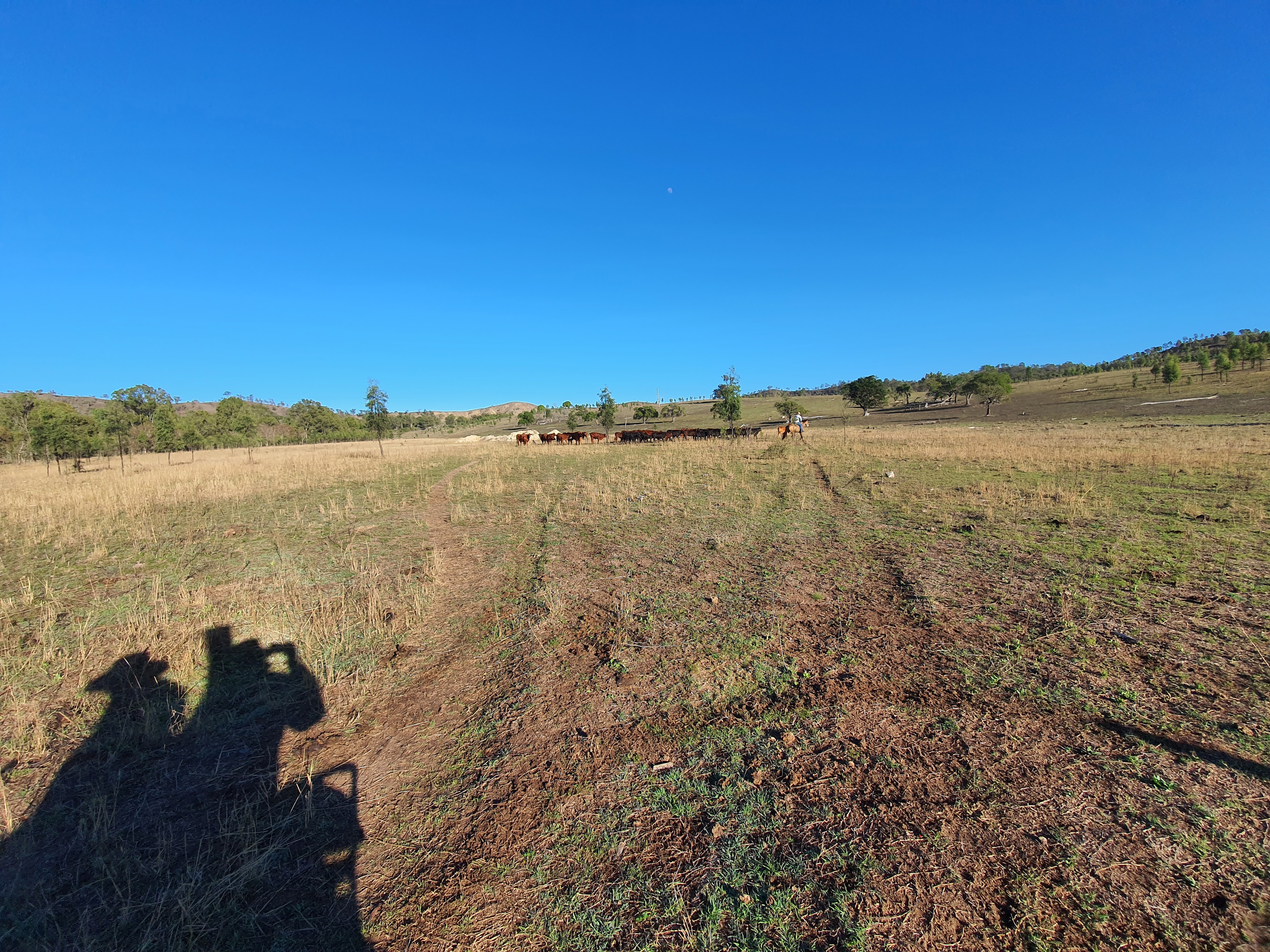
Feed gaps are one of the biggest challenges producers face and one of the hardest to manage once they’ve fully arrived.
The reality is, feed shortages rarely happen overnight. They build gradually, often with subtle signs that are easy to miss when you’re focused on day-to-day operations. Recognising these early signals can make the difference between reacting under pressure and planning ahead with confidence.
Here are three key signs to watch for.
One of the earliest indicators of a potential feed gap is a noticeable slowdown in pasture growth.
This might not be obvious at first, especially if there’s still a reasonable amount of feed on the ground. But when growth begins to plateau or decline, it’s often a sign that conditions are changing.
Seasonal shifts, temperature drops, or reduced rainfall can all impact growth rates. Tracking pasture growth over time helps you see these changes early, rather than waiting until feed levels drop significantly.
Another key signal is slower recovery after grazing.
If paddocks aren’t bouncing back as quickly as they were earlier in the season, it can indicate that your system is starting to tighten.
This often shows up as:
When recovery slows, it reduces your margin for error and can quickly lead to a feed shortfall if not managed early.
Sometimes the biggest clue is simply that your feed isn’t going as far as it used to.
You might find yourself moving stock sooner than planned or noticing that paddocks aren’t holding up the way they did a few weeks ago.
Even when pasture looks adequate at a glance, the available biomass may not be enough to sustain your current system for as long as expected.
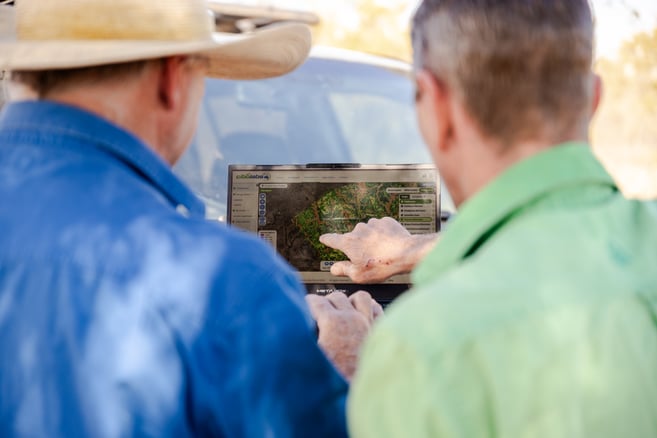
This is where having a clear, objective view of your feed position becomes critical.
Individually, these signs might not seem like a major concern. But together, they can point to a system that’s starting to tighten.
The key is catching these signals early, when you still have options.
With better visibility across your pasture, you can:
Feed gaps are difficult but they’re rarely unpredictable.
By paying attention to growth trends, recovery rates, and how your feed is holding up over time, you can stay ahead of the season rather than behind it.
👉 Because the best decisions are the ones you make before the pressure hits.
Spring is getting closer, and for many producers, preparations are already underway.
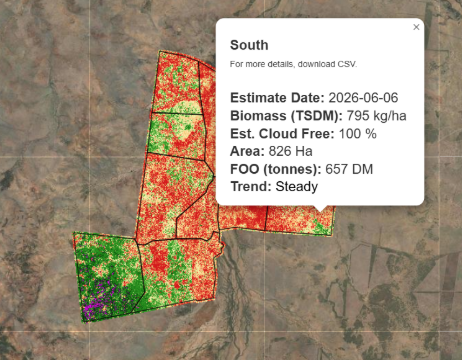
Every producer has paddocks they consider their best performers.
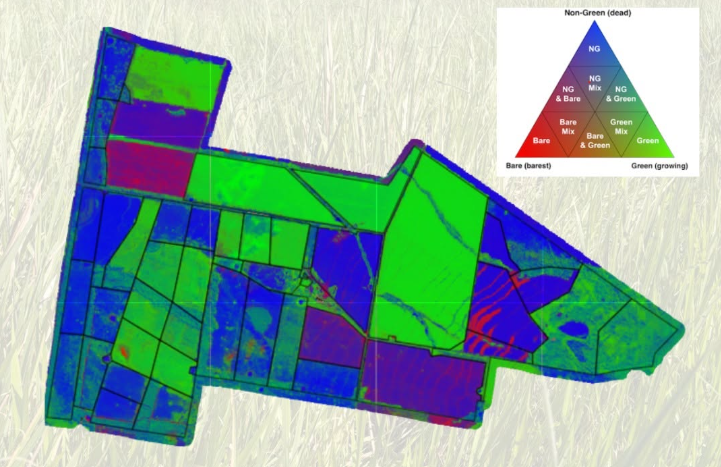
We all know the importance of keeping an eye on pasture. But by the time a change is obvious from the ute window or during a paddock inspection, it...