2 min read

Understanding Fractional Cover: See Changes Before They Become Problems

Understanding Fractional Cover: See Changes Before They Become Problems

We all know the importance of keeping an eye on pasture. But by the time a change is obvious from the ute window or during a paddock inspection, it has often been happening for some time.

Pasture is constantly changing in response to rainfall, temperature, grazing pressure and seasonal conditions. Some changes happen gradually, while others occur surprisingly quickly. The challenge is recognising those shifts early enough to make informed management decisions.

That's where Fractional Cover can make a real difference.

What is Fractional Cover?

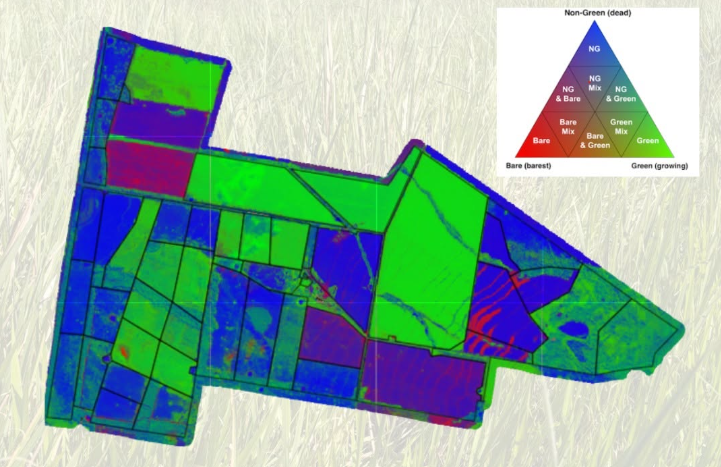
Using satellite imagery, Fractional Cover measures the proportion of your landscape made up of three key components:

🟢 Green Cover – Photosynthetically active vegetation, including grasses, forbs, shrubs and trees that are actively growing.

🟡 Non-Green Cover – Non-photosynthetically active vegetation, including dry or dead grasses and other standing plant material.

🟤 Bare Ground – Exposed soil with little or no vegetation cover.

Together, these three components add up to 100% of the landscape, providing a consistent, property-wide view of pasture condition. Rather than relying on a single observation or a drive through a few paddocks, you can understand what's happening across your entire property.

Why does it matter?

Looking at total pasture alone doesn't always tell the full story.

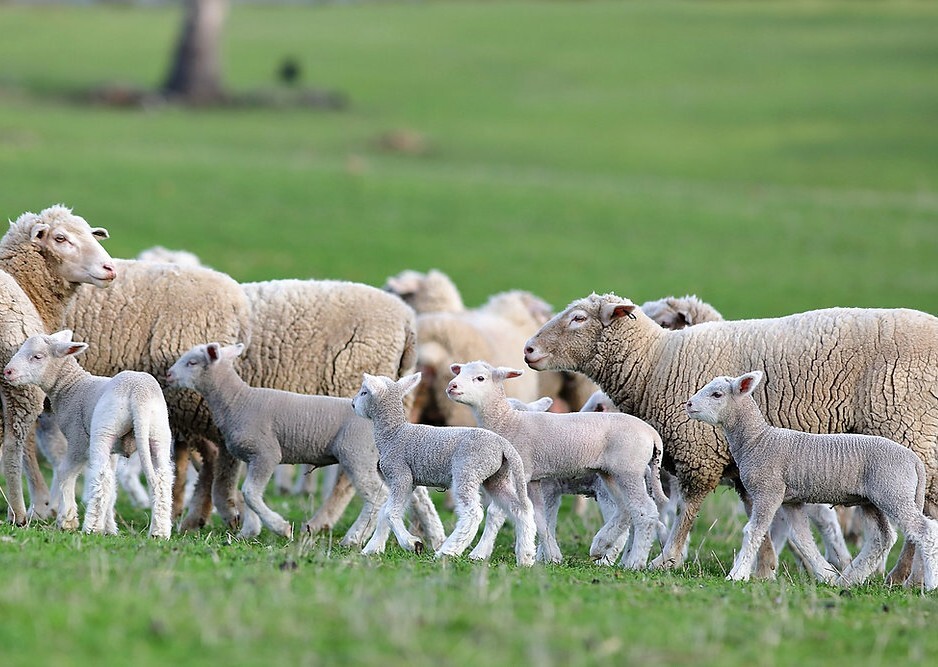
Two paddocks may appear to have similar amounts of feed, but the quality and condition of that feed can be very different. One may be dominated by actively growing green pasture, while the other consists mostly of dry, non-green material. Understanding that difference can influence grazing decisions, livestock performance and supplementary feeding requirements.

Fractional Cover helps you identify these subtle shifts, often before they're obvious during a paddock inspection.

Detecting change sooner

Take frost as an example.

Frost damages pasture leaves at the cellular level by forming ice crystals that puncture cell walls, causing dehydration and rapidly stopping plant growth. As a result, green vegetation begins to decline while non-green vegetation increases.

These changes can often be detected through Fractional Cover imagery before the effects are easily recognised on the ground.

The same principle applies in many other situations. Early pasture senescence, dry seasonal conditions, heavy grazing pressure or recovery following rainfall all create changes in the balance between green vegetation, non-green vegetation and bare ground. Seeing these shifts early provides valuable insight into how your pasture is responding.

More time. More options.

Earlier visibility creates better opportunities to act.

If you can see pasture quality beginning to decline before it becomes obvious, you have more time to make management decisions. That might include:

  • Moving stock before feed quality falls.
  • Introducing supplements or lick earlier.
  • Adjusting grazing rotations.
  • Prioritising paddocks for closer monitoring.
  • Planning ahead for changing seasonal conditions.

Instead of reacting after conditions have already changed, you have the opportunity to stay ahead of them.

Part of the bigger picture

Fractional Cover doesn't replace your experience or local knowledge, it strengthens it.

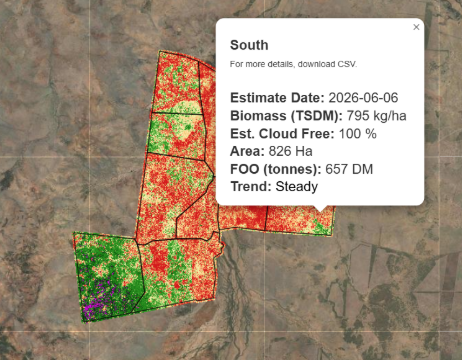
When combined with biomass estimates, historical trends, pasture growth data and other satellite layers available in PastureKey, Fractional Cover helps build a more complete understanding of your feedbase. Rather than relying on a single number or observation, you gain multiple perspectives that support more confident grazing decisions.

The result is a clearer picture of what's happening across your property today, while helping you identify where conditions may be heading tomorrow.

Start seeing change sooner

Pasture management is all about making the right decision at the right time. The earlier you understand how conditions are changing, the more options you have to respond.

Start your free PastureKey trial today and discover how Fractional Cover can help you identify change sooner, make more informed grazing decisions and stay one step ahead.


Understanding Fractional Cover: See Changes Before They Become Problems

Understanding Fractional Cover: See Changes Before They Become Problems

We all know the importance of keeping an eye on pasture. But by the time a change is obvious from the ute window or during a paddock inspection, it...

Read More
One Number Isn’t Enough: Why Seeing the Full Picture Matters in Grazing Management

One Number Isn’t Enough: Why Seeing the Full Picture Matters in Grazing Management

When it comes to pasture management, it’s easy to focus on a single number.

Read More
3 Early Signs You Might Be Heading Into a Feed Gap (And What to Watch For)

3 Early Signs You Might Be Heading Into a Feed Gap (And What to Watch For)

Feed gaps are one of the biggest challenges producers face and one of the hardest to manage once they’ve fully arrived. The reality is, feed...

Read More